What Is Unbreakable Glass? The Truth About Breakage Resistance
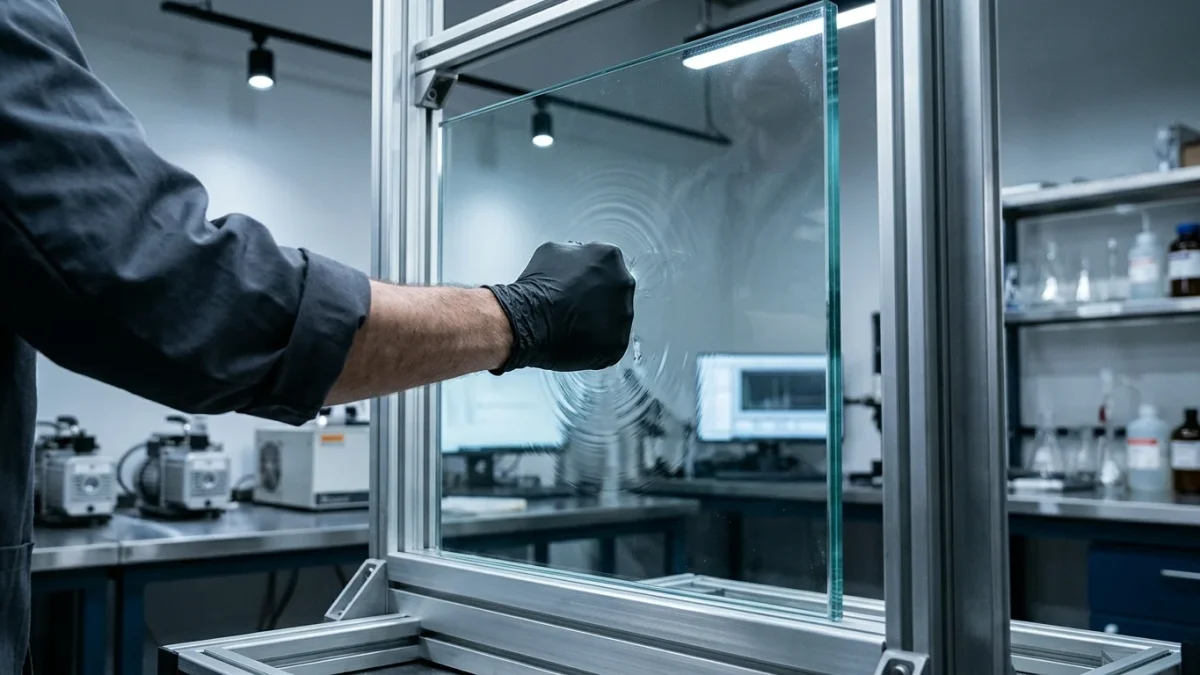
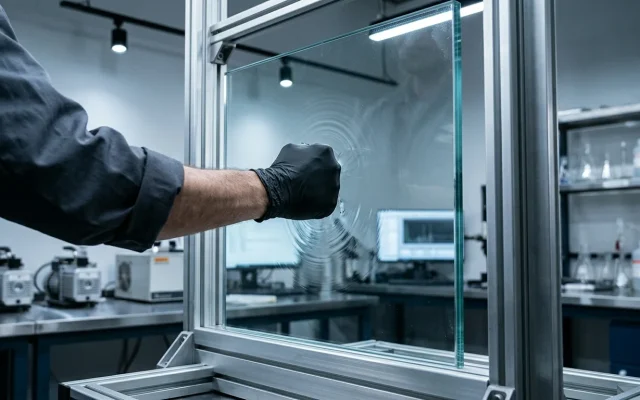
Unbreakable glass is a marketing term, not an absolute physical property; no glass survives every impact. What the market calls “unbreakable glass” is usually glass that is several times stronger or that creates less danger when it breaks.
In this guide we explain what “unbreakable” really means, what types of safety glass exist and which one to choose for each installation.
What “Unbreakable” Really Means
In the market, “unbreakable” usually means one of two things:
- Several times higher resistance to impact, wind pressure and load;
- Breakage that is not dangerous, meaning the pieces become small and low-risk or stay attached to an interlayer.
But with enough force, especially a heavy point impact or when the edge is damaged, all glass can break. So the right question is “what happens if it breaks?” rather than “will it break?”
Glass usually starts to crack from very small surface or edge flaws, whether created during cutting or later by scratches or impact. Pressure from wrong installation and sharp temperature differences can also start a crack. The technologies used to make unbreakable glass do not remove these flaws; they either stop a crack from advancing or make sure that less harm results after it cracks.
The base of most unbreakable glass on the market is tempered glass, whose production process and features we have covered separately. But tempered glass is not the only option.
Types of Unbreakable Glass
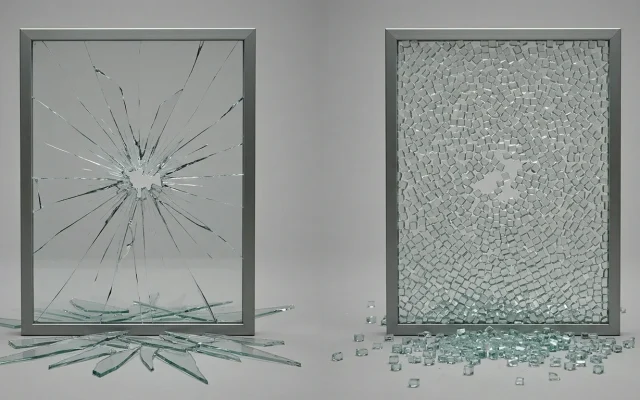
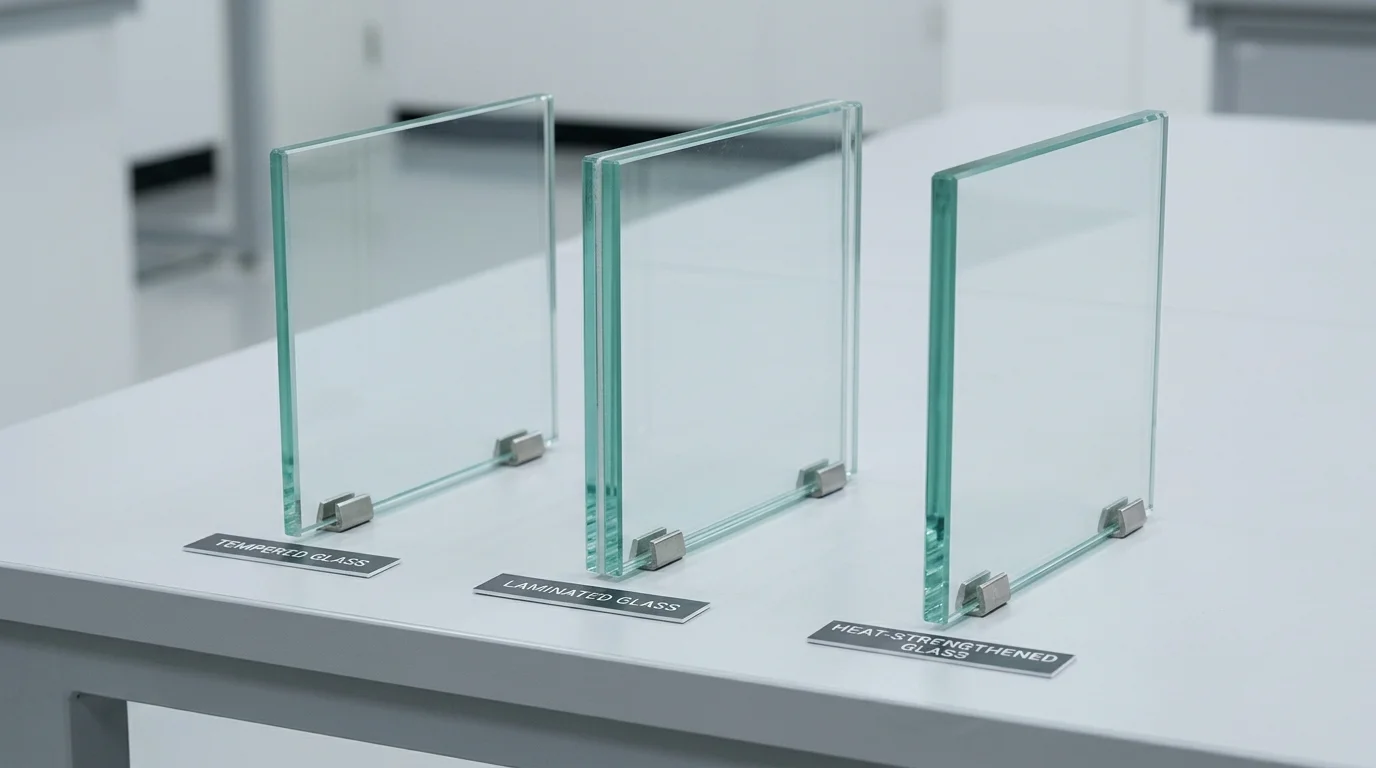
- Tempered (fully tempered): about 4 to 5 times stronger than regular glass, and it breaks into small granules.
- Laminated: made of two or more layers of glass and an interlayer (usually PVB). It cracks on impact, but the pieces stay stuck to the interlayer and the glass does not fall apart.
- HS (Heat Strengthened): made with a milder heat process and about twice as strong as regular glass. It breaks into larger pieces and is used for large facades, usually together with laminated glass. At Telo, HS production is carried out under North Glass supervision.
- Bent unbreakable glass: any of the types above made in a curved shape. At Telo, bent glass can be produced up to a height of 3800 mm with a radius of 1100 mm and above.
The interlayer in laminated glass is not only a holder; it also helps reduce sound transmission and block a large part of ultraviolet rays. That is why laminated glass is a popular choice among unbreakable glass types in busy places, next to streets, or where protection against intrusion matters.
One important reminder: HS should not be treated on its own as safe unbreakable glass, because it breaks into large pieces. Where people may come into contact with the glass, tempered or laminated glass is usually required.
Bullet-resistant glass is also a special multilayer structure, but it has a separate purpose and standard, and it differs from “unbreakable” in the common building sense.
Tempered, Laminated and HS Compared
These three types look similar, but they behave differently at the moment of breakage:
| Criterion | Tempered | Laminated | HS |
|---|---|---|---|
| Strength vs. regular glass | About 4 to 5 times | Depends on thickness and build-up | About 2 times |
| Behavior when broken | Small, rounded granules | Cracks but stays in one piece | Larger pieces |
| Falling fragments | Low risk | Almost none | Limited, usually with laminated |
| Common use | Showers, doors, tables | Railings at height, canopies, skylights | Large facades |
In practice, these types of unbreakable glass are not substitutes for each other but complements. For a railing at height, for example, combining laminated and tempered glass gives higher strength and, if the glass cracks, keeps the pieces in place. For large facades, HS next to laminated or double-glazed units is common. The more dangerous the consequences of breakage, the more cautious the build-up should be.
In terms of cost, tempered glass is usually the most economical safety option, laminated glass costs more because of its multiple layers, and HS varies by project. But comparing prices without considering the consequences of breakage is misleading; the extra cost of the right type is usually far smaller than the cost of potential damage.
For a technical overview of laminated glass construction, you can visit the Laminated glass entry on Wikipedia.
Where Is Each Suitable?
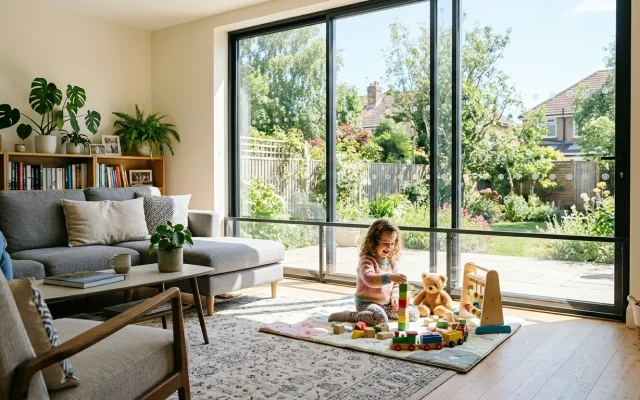
The choice of safety glass should be based on the installation location and the level of risk:
- Shower enclosures and glass doors: tempered glass is usually enough.
- Balcony railings and stairs: tempered glass, and for greater heights a laminated and tempered combination.
- Canopies and skylights: laminated glass, because broken pieces do not fall.
- Building facades: HS or tempered glass, often with laminated or double-glazed units.
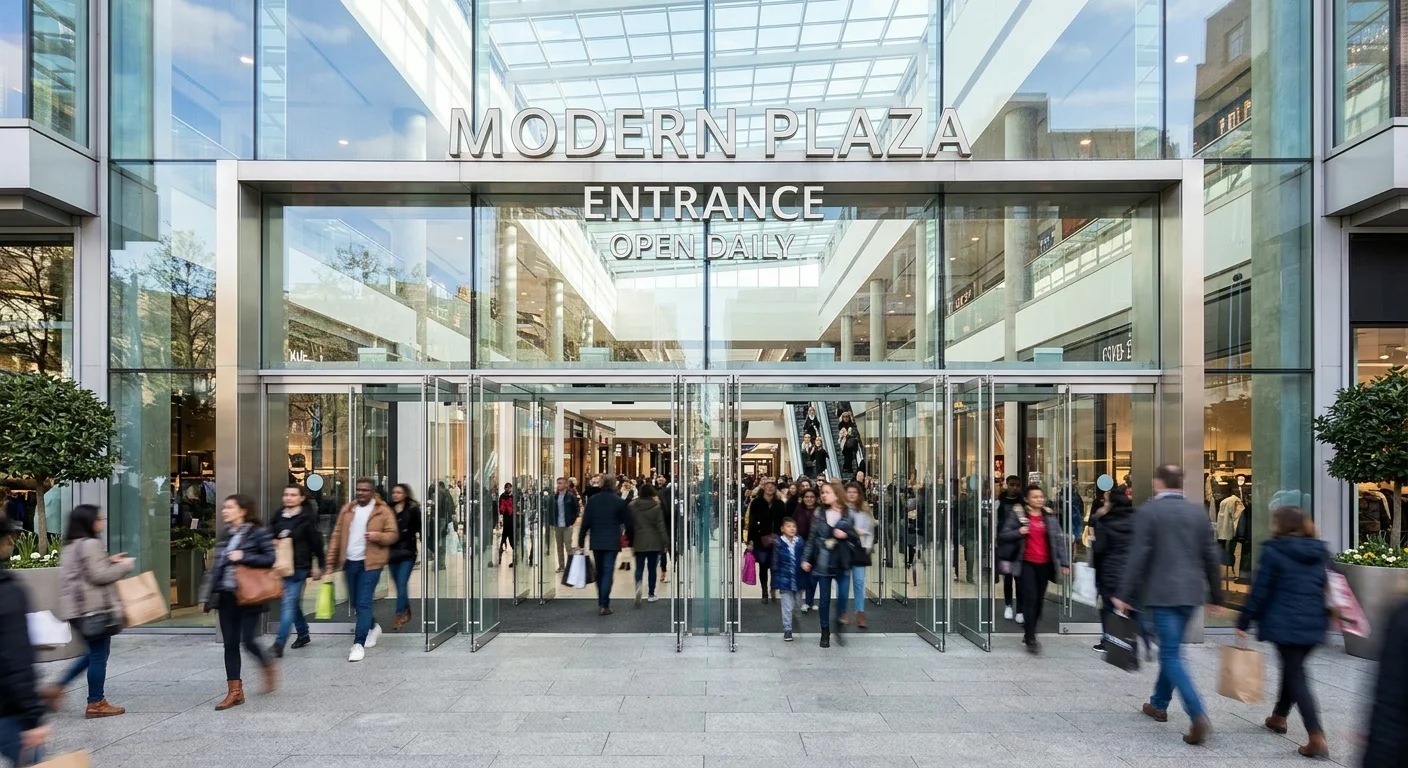
- Shop windows and busy spaces: tempered or laminated, depending on the risk.
Thickness is also part of the decision. Two panes of the same type with different thicknesses carry different loads. The exact number is set by the designer or manufacturer based on size, installation type and wind or impact load, not by a general table.
In public spaces, periodic inspection of edges and hardware is as important as choosing the glass type.
Common Mistakes
- Believing in “absolutely unbreakable”: no glass is unbreakable, and this belief leads to neglect in installation and maintenance.
- Choosing only by price: cheaper glass may not be safe for your installation.
- Wrong thickness: thickness must match the size, load and location.
- Ignoring edges and hardware: a damaged edge or wrong hardware pressure can break the glass.
- Not asking for the exact glass type: when ordering, ask whether it is tempered, laminated or HS, and request technical specifications from the manufacturer.
Proper maintenance also keeps safety high. Do not use sharp tools or abrasive materials on the surface and edge of the glass, inspect glass with a crack or chip quickly, and contact the manufacturer if in doubt. These simple habits extend the life of unbreakable glass.
Does Unbreakable Mean Impact-Proof? Frequently Asked Questions
Does unbreakable mean completely impact-proof?
No. “Unbreakable” is a marketing term, and no glass stays intact under every impact. Unbreakable glass means higher strength or safer breakage: tempered glass shatters into small granules, and laminated glass stays in one piece after cracking.
Is bent unbreakable glass the same?
Yes. Bent unbreakable glass is made on the same principles; after the curve is formed, the glass is tempered or combined with a laminated layer. At Telo, bent glass can be produced up to a height of 3800 mm with a bending radius of 1100 mm and above.
Which type of unbreakable glass is the safest?
It depends on where it is installed. Where falling fragments would be dangerous, such as railings at height and canopies, laminated glass or a laminated and tempered combination is the better choice. For shower enclosures and doors, tempered glass is usually enough.
What types of unbreakable glass does Telo produce?
Telo produces flat and bent tempered glass as well as HS glass. HS production is carried out under North Glass technical and quality supervision. To choose the right type for your project, you can consult Telo’s technical team.
Summary
Unbreakable glass means glass that is either far stronger or not dangerous when it breaks, not glass that never breaks. Tempered, laminated and HS glass each suit a particular use, and the best choice depends on the installation location, height and level of risk. Ask the manufacturer for the exact glass type and request technical specifications.