Pros and Cons of Tempered Glass: An Honest Guide
The pros and cons of tempered glass should be seen together. This glass is strong and safe, but it also has limitations that, if you know them before ordering, save you a lot of cost and trouble. In this guide we look at both sides honestly.
The aim is for you to know when this glass is the best choice and when another option will suit better.
Pros
- High mechanical strength: it is typically about 4 to 5 times stronger than regular glass of the same thickness against impact and load.
- Better heat resistance: it tolerates sudden temperature differences, such as sunlight or hot water, more easily.
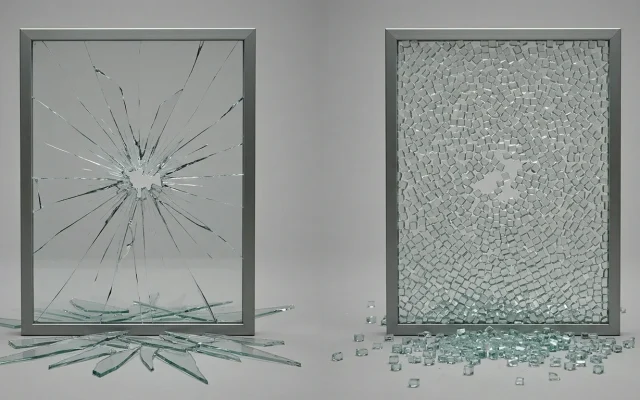
- Low-risk breakage: when it breaks it shatters into small, rounded granules, and the risk of serious cuts is lower. For the role of this feature in safety, see What Is Safety Glass?
- Production variety: at Telo, flat tempered glass is made in sizes up to 2500 × 5000 mm, in thicknesses from 3 to 19 mm and in a variety of colors. Bent glass can be produced up to a height of 3800 mm.
- Precise machining before tempering: holes, special cuts and hardware recesses are done with CNC before tempering, so you receive glass ready to install.
- Clear look and easy cleaning: it has a smooth, transparent surface and cleans easily with suitable products.
The main advantage is not only strength; it is the combination of strength, safety and readiness for installation. When the glass is delivered with exact dimensions and complete machining, installation time and waste are reduced and installation quality improves.
Consistency of quality matters too. At Telo, tempering is carried out under North Glass technical and quality supervision; you can read more about this approach on the About Us page.
We explain the production process and the reason for this strength in What Is Tempered Glass? If you would like to see the production line, browse the Telo videos.
Cons and Limitations
To decide well, you should know the limitations too. Fortunately most of them can be managed with planning:
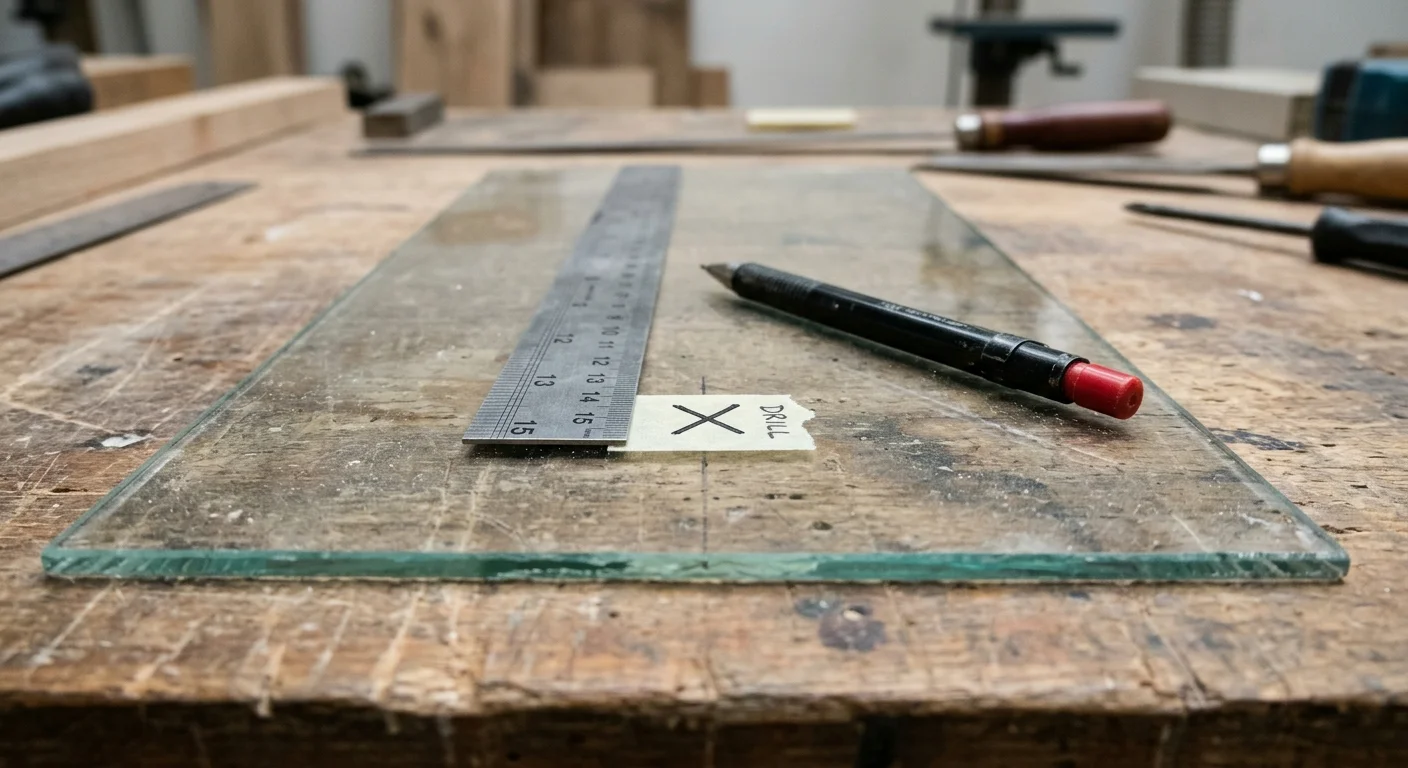
- It cannot be cut after production: cutting, edging and drilling must be done before tempering. Solution: measure precisely and finalize the drawing before ordering.
- Higher price than regular glass: the heat process and quality control cost money. Solution: compare the price with the consequences of breakage at the installation location.
- Sudden, complete breakage: when it breaks, the whole piece shatters and does not stay in the frame. Solution: in high-risk places use laminated glass or a combination.
- Very rare spontaneous breakage: small impurities inside the glass can sometimes be the cause. For a scientific introduction you can visit the Spontaneous glass breakage entry on Wikipedia.
- Slight optical waviness: at some viewing angles or reflections, a very faint distortion may be visible. In large facades this should be considered at the design stage.
- Not unbreakable: it is stronger, not unbreakable. We explain the difference in What Is Unbreakable Glass?
- Production time: because it is produced after the dimensions are approved, planning the delivery time before the project starts matters.
Four simple steps help reduce these limitations: approve the drawing and dimensions before ordering, measure twice, choose the glass type to match the risk of the installation location, and include production time in the project schedule.
In practice, most problems come from ordering with wrong dimensions or choosing an unsuitable type for the location, not from the product itself.
Maintenance is part of the picture too: do not use sharp tools or abrasive materials on the surface, and inspect edges and hardware periodically. A pane with a chipped edge should be replaced quickly.
When to Choose Tempered Glass
In these cases it is usually the right choice:
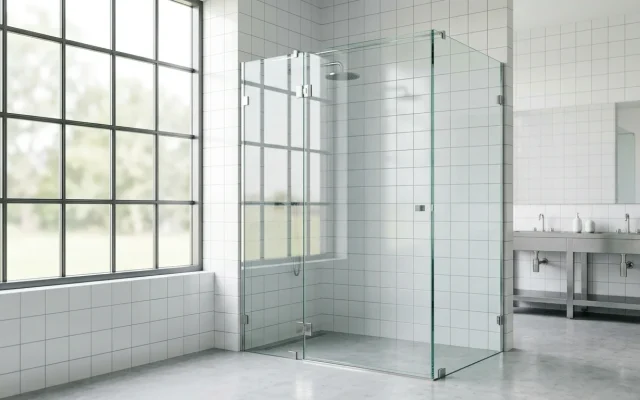
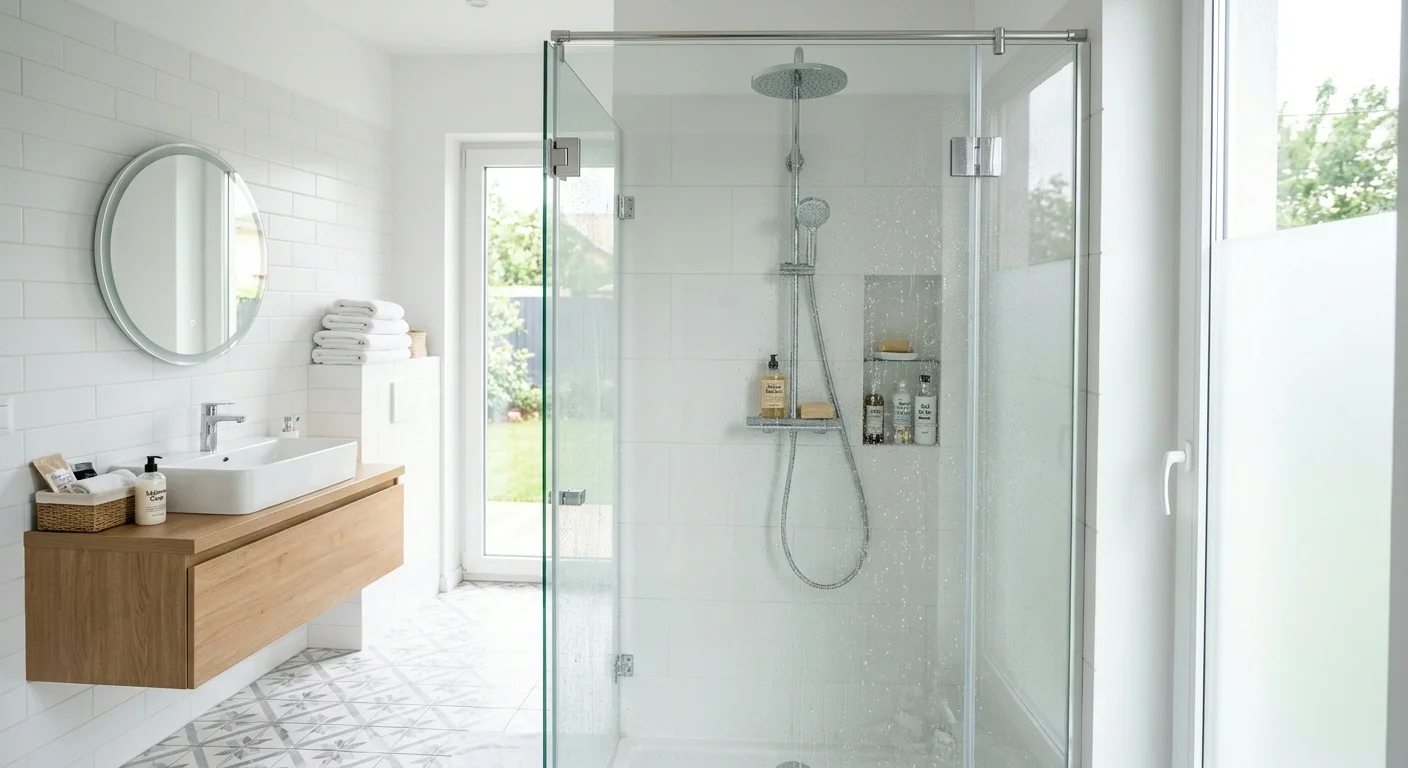
- Shower enclosures and bathrooms
- Glass doors and office partitions
- Balcony railings and stairs at low to medium height
- Glass tables and decor
- Kitchen backsplashes
- Shop windows and building facades, with suitable design
All of these are places where strength and safety are both needed and where exact dimensions can be set before ordering.
The right thickness depends on size, installation type and load. Shower enclosures and tables usually need less thickness, while doors, railings and facades need more, but the final number must be set by the designer or manufacturer.
A practical rule: if the glass is within reach of people and its breakage could cause injury, make tempered or laminated glass the default and use regular glass only in low-risk cases. The extra cost is usually very small compared with the consequences of an accident.
In homes with children, shower enclosures, glass doors and full-height glass are the first priorities.
When an Alternative Is Better
- Falling fragments are dangerous: such as railings at height, canopies and skylights; laminated glass or a laminated and tempered combination.
- Large facade with optical concerns: HS, usually with laminated or double-glazed units.
- Thermal and sound insulation matter: double-glazed or laminated glass.
- Low-risk location away from traffic: regular glass may be enough.
Combinations are common too. For example, laminated plus tempered for a railing at height, or HS next to laminated and double-glazed units for a large facade. The heavier the consequences of breakage, the more cautious the build-up should be.
| Feature | Advantage | Limitation |
|---|---|---|
| Strength | About 4 to 5 times regular glass | Still not unbreakable |
| Machining | Precise and before tempering | Not possible after tempering |
| Breakage behavior | Small, low-risk granules | Does not stay in the frame |
| Price | Long-term value and safety | Higher than regular glass |
If you want to see the difference from regular glass more precisely, Tempered vs Regular Glass helps. To decide the right type for your project, you can consult the technical team through the Contact Us page.
How Long Does Tempered Glass Last? Frequently Asked Questions
How long does tempered glass last?
Tempered glass has no fixed expiry date and, with correct installation and proper maintenance, can serve for many years. Its real lifespan depends on production quality, installation, hardware, environment and maintenance, and edges and hardware should be inspected periodically.
Does tempered glass break by itself?
Rarely, and usually because of very small impurities inside the glass, a damaged edge or wrong installation pressure. This is very rare compared with the volume used. Choosing a reputable manufacturer, precise edging and correct installation reduce the chance.
Does tempered glass scratch?
Yes. The surface hardness of tempered glass is not very different from regular glass, and sharp tools or abrasive materials can scratch it. Use a soft cloth and suitable cleaning products.
Is tempered or laminated glass better?
Neither is always better. Tempered glass suits strength and low-risk breakage, but laminated glass stays in one piece after cracking. Where falling fragments are dangerous, laminated glass or a combination with tempered glass is the better choice.
Summary: Pros and Cons of Tempered Glass
Tempered glass brings several times higher strength, high safety, variety and precise machining, but it cannot be cut, costs more and does not stay in the frame after breaking. If you finalize dimensions before ordering and choose the type to suit the installation location, these limitations cause no problems. In high-risk places, laminated glass or a combination is the better option.
Before any order, review the glass type, thickness and dimensions with the manufacturer and ask for technical specifications.